Vale expects iron ore output to rise by up to 3% in 2026
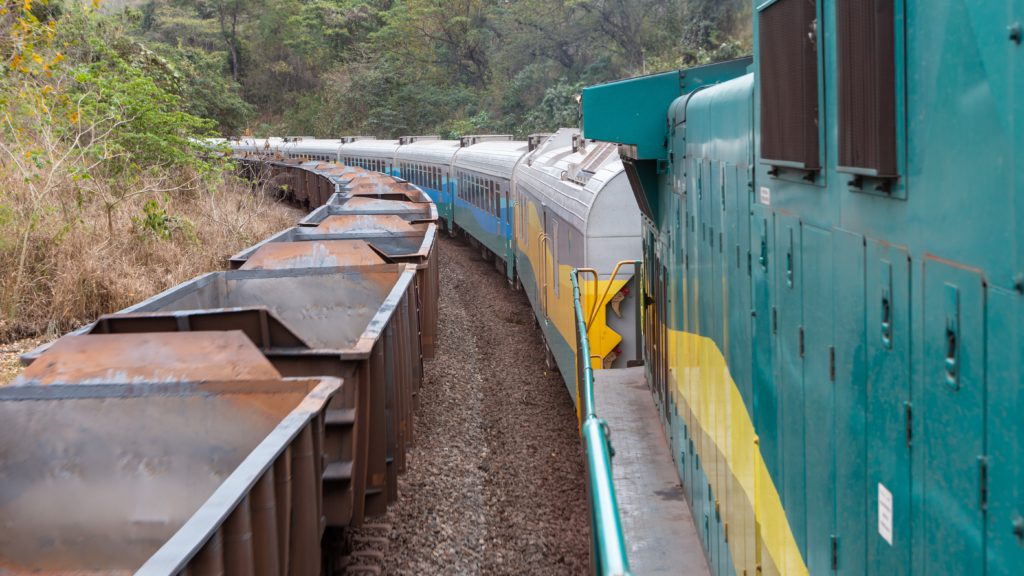
Brazilian miner Vale said on Tuesday it expects its iron ore production to rise by up to 3% in 2026 and confirmed it would meet the upper end of its 2025 output target.
Vale, which is holding an investor day in London, forecast its iron ore output to range between 335 million and 345 million metric tons next year, after reaching about 335 million tons this year, a securities filing showed.
The firm has worked to restore production capacity that was hurt by the deadly 2019 Brumadinho dam disaster, and hopes to reclaim this year the title of world’s largest iron ore producer, surpassing Rio Tinto.
Production in 2025 had been previously forecast at 325 million to 335 million tons.
Vale also maintained a projection that it will reach iron ore output of 360 million tons in 2030, the filing showed.
Base metals
Vale estimated copper output of 350,000 to 380,000 tons in 2026, versus about 370,000 tons in 2025. Nickel production next year was projected at 175,000 to 200,000 tons, compared with about 175,000 tons this year.
The company also said its Vale Base Metals subsidiary has signed an agreement with Glencore to jointly evaluate a brownfield copper development project at their adjacent properties in Canada’s Sudbury Basin.
“Upon completion of this early work, the intention is that VBM and Glencore will transition to a joint venture as equal partners in the project,” Vale said, adding that it expected “significant synergies” from the partnership.
The project is estimated to produce 880,000 tons of copper over 21 years, with a capital cost of about $1.6 billion to $2 billion, the Brazilian company said.
(By Gabriel Araujo and Marta Nogueira; Editing by Bernadette Baum, Jan Harvey and Paul Simao)
More News

{{ commodity.name }}
{{ post.title }}
{{ post.date }}
Comments